ServicesReverse Mortgages
Reverse Mortgages in Mableton
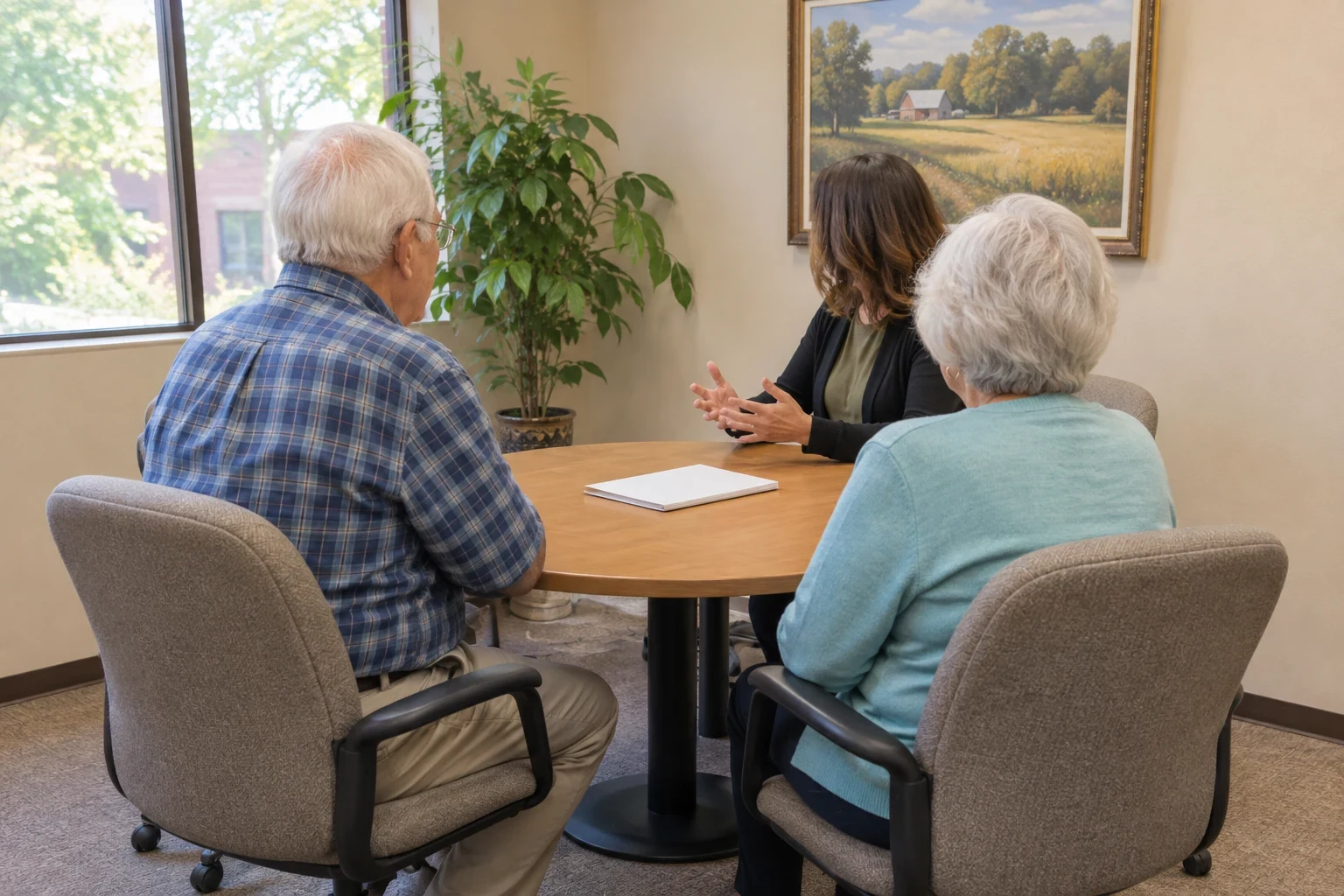
A reverse mortgage lets borrowers 62 and older turn part of their equity into cash while staying on the title and living in the property. We walk through every term with you and your family, so the loan fits the years ahead and not just the next few months.
What a reverse mortgage is, and when it makes sense
Most reverse mortgages are Home Equity Conversion Mortgages, or HECMs, a program backed by the FHA. You keep ownership and make no required monthly mortgage payment. The balance is repaid when the last borrower sells, moves out for good or passes away. The loan is non-recourse, so neither you nor your heirs owe more than the property is worth when it is sold.
It tends to suit retirees who have built real equity, plan to stay put, and want to retire an existing mortgage, cover rising costs or keep a credit line in reserve. It is a poor fit if you expect to move within a few years, because the upfront costs take time to earn back.
These loans hold up or strain on small decisions: who is on the title, how the money is drawn, whether property taxes and hazard coverage stay paid. That is where we spend our time with you.
What we handle on a reverse mortgage
Counseling coordination
Every HECM requires a session with an independent HUD-approved counselor before the application moves forward. We explain what the counselor will cover and help you find one. We do not sit in, because that independence is the point.
Choosing how the money arrives
Lump sum, fixed monthly payments for life or a set term, a line of credit, or a combination. We model each option so you can see how the balance and remaining credit change over time. An unused line of credit grows over the life of the loan, which matters for many borrowers.
Spouse and title review
If a spouse is younger than 62 or not on the title, we go over the non-borrowing spouse rules at the very start. Getting this right before signing protects that spouse's ability to remain in the property.
Financial assessment
The lender reviews income, credit and your history of paying property charges. If the numbers are thin, a set-aside can be built into the loan to pay property taxes and insurance going forward.
Paying off the current mortgage
Any existing mortgage is paid off at closing, usually from the loan proceeds. We confirm the exact payoff figure and show you what remains afterward.
HECM for Purchase
Buyers 62 and older can use a reverse mortgage to buy a better-suited place, often single level, with a down payment and no monthly mortgage payment afterward.

Signs a reverse mortgage may be worth a look
- A mortgage payment in retirement
- If a monthly payment is drawing down savings or Social Security, retiring it with a HECM can free that money every month.
- Strong equity, modest cash
- Equity on paper does not cover a new roof, a medical bill or help for a grandchild. A reverse mortgage turns some of it into usable funds without selling.
- You plan to stay for years
- Closing costs are front-loaded, so the loan works best for people who intend to remain in the property for a long stretch.
- You want a reserve for later
- Opening a line of credit early and leaving it untouched lets the available amount grow, giving you a cushion for costs you cannot predict yet.
- You are comparing equity options
- If you are weighing Home Equity Loans & HELOCs or a Cash-Out Refinance against a reverse mortgage, the deciding question is often whether you want a monthly payment. We set them side by side with real figures.
How a reverse mortgage comes together
- 1
Free consultation
We start with a free consultation by phone, video or at our office, and you are welcome to bring a family member. We look at ages, equity, any existing balance and your goals. If a reverse mortgage is not the right tool, we say so.
- 2
HUD counseling
You complete the required session with an independent counselor and receive a certificate. Nothing moves to application before that.
- 3
Application and appraisal
We gather your documents, order an FHA appraisal and complete the financial assessment. If the appraiser notes required work on the property, we explain what it means for timing.
- 4
Line-by-line review and closing
Before closing we go through the final figures together: payoff, fees, set-asides and the payout you chose. On most refinancing reverse mortgages, a three-business-day cancellation window follows signing before funds are released.
- 5
After closing
Your servicer sends regular statements, and you return a short occupancy certification each year. We stay available for questions about draws or the line of credit.
What shapes the cost and the amount available
A reverse mortgage carries real costs, and we put each one in writing before you commit. The amount you can access is set by federal formulas rather than negotiation, so the factors below matter more than any sales pitch. Most costs can be financed into the loan instead of paid out of pocket.
- Age of the youngest borrower or eligible spouse
- Older borrowers can generally access a larger share of value. A younger spouse lowers the amount, but that is the trade for protecting their right to stay.
- Appraised value and the FHA limit
- The calculation uses the appraised value up to the national FHA lending limit for HECMs. Higher-value properties may be better served by a proprietary reverse mortgage, which we can talk through.
- Fixed or adjustable rate
- Fixed-rate HECMs generally pay out as a single lump sum. Adjustable-rate versions allow a line of credit and monthly payments, and the rate affects how quickly the balance grows.
- Mortgage insurance and closing fees
- HECMs carry an upfront and an annual FHA mortgage insurance premium, plus origination, appraisal, title and recording charges. That insurance is what backs the non-recourse protection.
- Existing balance and set-asides
- A larger current mortgage, or a required set-aside for taxes and insurance, reduces what is left for you to use.
Reverse mortgage questions
- Will the lender own the property?
- No. You keep the title, and the lender holds a lien as with any mortgage. You do need to live there as your primary residence, pay property taxes and insurance, and keep the property in reasonable condition.
- What happens to what I leave my children?
- When the loan ends, heirs can sell the property and keep any equity above the balance, or pay off the loan and keep it. If the balance is higher than the value, they can generally keep it by paying 95 percent of the appraised value, or sell it and let FHA insurance cover the shortfall. They are never personally on the hook for the difference.
- Can I lose the property with a reverse mortgage?
- The loan can be called due if property taxes or insurance go unpaid, if the property falls into serious disrepair, or if you are away for more than 12 consecutive months, such as a long stay in assisted living. This is why we take the set-aside and budgeting conversation seriously at the start.
- Does the property need to be paid off first?
- No. Many borrowers still have a mortgage. It is paid off at closing from the reverse mortgage proceeds, and the remaining funds are available to you under the payout plan you choose.
- Is reverse mortgage money taxable?
- Loan proceeds are generally not treated as income for tax purposes, and they usually do not affect Social Security or Medicare. Need-based benefits such as Medicaid or SSI can be affected by how funds are held, so we suggest confirming your situation with a tax or benefits advisor.
Talk it through before you decide
A free consultation gives you the numbers, the trade-offs and time to think, with family included if you wish. We never push for a decision on the first call.